
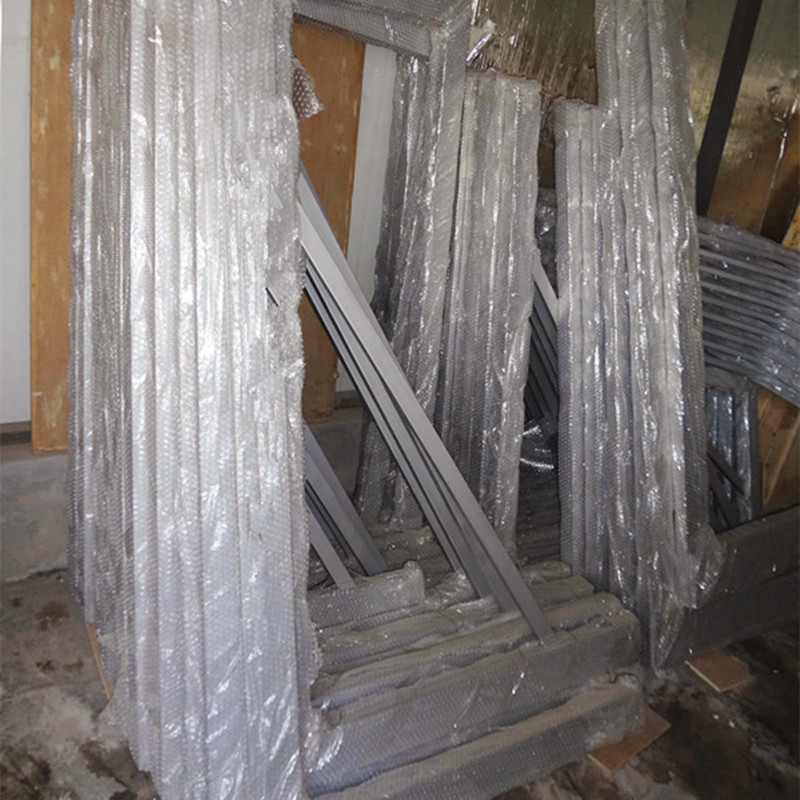
thin film coating on glass
Understanding Metal Check Valves Importance and Applications Check valves are essential components in fluid control systems, ensuring that flow occurs in one direction only. Among the various types of check valves available, metal check valves stand out for their durability, reliability, and wide range of applications across diverse industries. This article aims to provide a comprehensive overview of metal check valves, focusing on their construction, benefits, and common uses. What is a Metal Check Valve? A metal check valve is a mechanical device that allows fluid to flow through it in one direction while preventing backflow. Made primarily from metals such as stainless steel, brass, or carbon steel, these valves are designed to withstand high-pressure environments and challenging operating conditions. The most common types of metal check valves include swing check valves, lift check valves, and diaphragm check valves, each serving unique applications based on their structural design and functionality. Construction and Working Mechanism The construction of a metal check valve typically consists of a valve body, a disc (or closure element), a seat, and a spring (in the case of spring-loaded models). The valve body houses the internal components and connects to piping systems. The disc is the critical component that opens to allow fluid flow when the pressure is sufficient and closes to prevent backflow when the pressure drops. 1. Swing Check Valve This type utilizes a hinged disc that swings open under pressurized flow and closes under backpressure. They are popular in applications where flooding could occur, as they provide a quick response to prevent reverse flow. 2. Lift Check Valve This design features a disc that rises vertically off its seat to permit flow. Lift check valves are typically used in applications requiring high flow rates, such as steam service. 3. Diaphragm Check Valve This type uses a flexible diaphragm to open or close against a seat. It is particularly suited for applications involving slurries or corrosive fluids, as it minimizes the risk of clogging. Benefits of Metal Check Valves Metal check valves offer numerous advantages, making them a preferred choice in many industrial applications. Some of the primary benefits include - Durability Metal check valves are resistant to wear and corrosion, providing long-lasting service life even in harsh environments . metal check valve - High-Pressure Tolerance These valves can handle high-pressure applications, making them suitable for use in oil and gas industries, chemical processing, and power generation. - Reliability Their robust construction ensures that metal check valves maintain functionality and integrity over time, reducing the risk of leakage or failure. - Versatility Available in various sizes and materials, metal check valves can be customized for specific applications, making them versatile in managing different fluid types, including gases. Applications of Metal Check Valves Metal check valves are widely used across numerous sectors, highlighting their importance in modern engineering systems. Common applications include - Oil and Gas To prevent backflow in pipelines and systems transporting crude oil and natural gas. - Water and Wastewater Treatment Ensuring that flow in treatment facilities does not reverse, which could lead to contamination. - Chemical Processing Protecting equipment from back pressure in corrosive environments. - Power Generation Preventing backflow that could damage turbines and other critical components. Conclusion In summary, metal check valves are crucial devices in fluid management systems across various industries, characterized by their durability and reliability. Their ability to prevent backflow ensures system integrity and operational efficiency. As technology advances and industries evolve, the significance of metal check valves will continue to grow, highlighting the need for innovation in their design and application. Understanding their function and deployment can lead to better decision-making in the selection and maintenance of these essential components in fluid control systems.
about
thin film coating on glass
Metal Corner Connections A Crucial Aspect of Structural Integrity In the realm of construction and engineering, metal corner connections play a pivotal role in ensuring the structural integrity and stability of various structures. These connections are the points where two or more metal elements meet, and they are subjected to significant stress and strain due to external forces such as wind, earthquakes, and vibrations. Therefore, it is essential to understand the design, fabrication, and maintenance of these connections to prevent potential failures and ensure the longevity of the structure. One of the primary factors that influence the performance of metal corner connections is the type of joint used. There are several types of joints, including welded, bolted, and riveted joints, each with its own advantages and disadvantages. For instance, welded joints provide a high degree of strength and rigidity but may be more susceptible to corrosion. On the other hand, bolted joints are relatively easy to assemble and disassemble but may not offer the same level of strength as welded joints. Another critical aspect of metal corner connections is the material selection. The choice of material depends on factors such as the specific application, environmental conditions, and required strength and durability. For example, stainless steel is commonly used in marine environments due to its excellent corrosion resistance, while aluminum is preferred for its lightweight properties and high strength-to-weight ratio For example, stainless steel is commonly used in marine environments due to its excellent corrosion resistance, while aluminum is preferred for its lightweight properties and high strength-to-weight ratio For example, stainless steel is commonly used in marine environments due to its excellent corrosion resistance, while aluminum is preferred for its lightweight properties and high strength-to-weight ratio For example, stainless steel is commonly used in marine environments due to its excellent corrosion resistance, while aluminum is preferred for its lightweight properties and high strength-to-weight ratio metal corner connections . Fabrication techniques also play a crucial role in the performance of metal corner connections. Proper cleaning, preparation, and finishing of the metal surfaces are essential to ensure a strong bond between the components. Additionally, the use of advanced joining techniques such as friction stir welding or laser welding can further enhance the strength and reliability of the connection. Regular maintenance and inspection are also critical to the longevity of metal corner connections. It is important to regularly inspect the connections for signs of wear, corrosion, or damage and to take appropriate measures to address any issues promptly. This may include cleaning and coating the connections to protect them from the environment or replacing damaged components before they fail. In conclusion, metal corner connections are a vital component of structural integrity in construction and engineering projects. By considering factors such as joint type, material selection, fabrication techniques, and maintenance, engineers can design and construct stronger, more reliable structures that withstand the rigors of various environmental conditions and operational loads.
-

High quality industrial productsagement

High quality industrial products
View Details -

Meet the diverse needs of customers

Meet the diverse needs of customers
View Details -

Strict quality control

Strict quality control
View Details -

Top raw materials

Top raw materials
View Details -

Trusted supplier

Trusted supplier
View Details
Our application

news and information

vanne de porte
Les vannes sont des composants essentiels dans les systèmes de tuyauterie et de distribution de flui
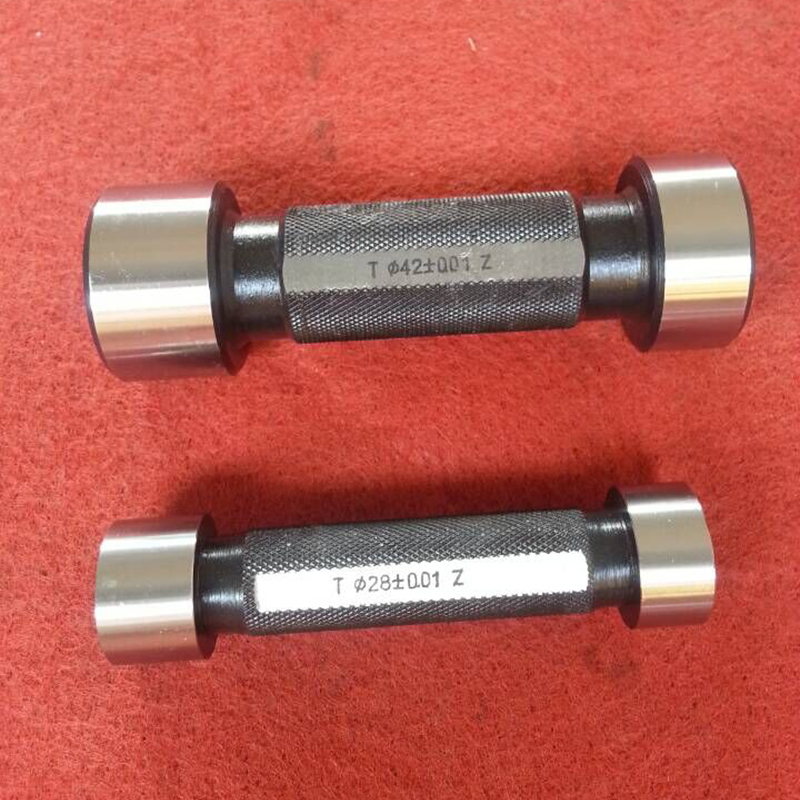
Versatile and Durable Metal Angle Brackets for Adjustable Applications in Home and Industrial Projec
The Versatility and Utility of Adjustable Metal Angle Brackets In the world of construction and DIY
Van cửa niêm phong mềm điện
Van cổng 150mm, một trong những sản phẩm quan trọng trong ngành công nghiệp, đóng vai trò tối ưu hóa
 English